
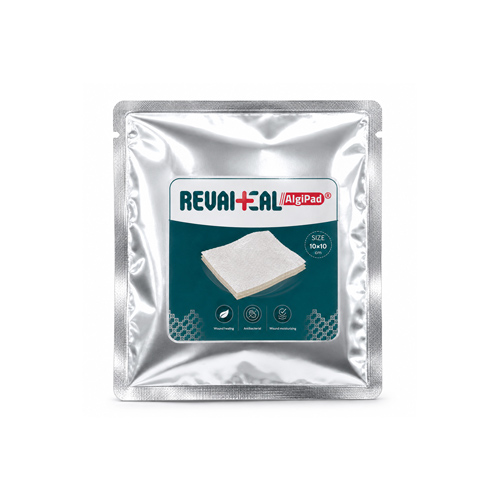
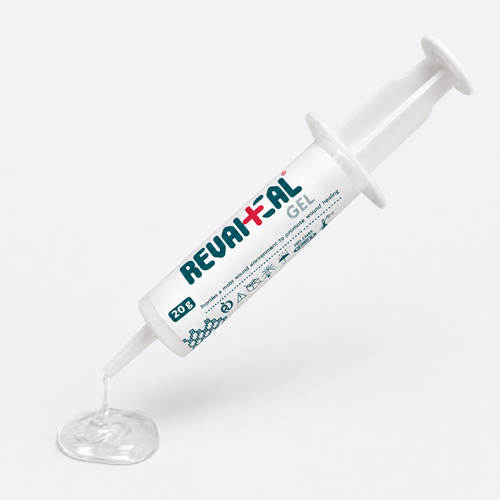

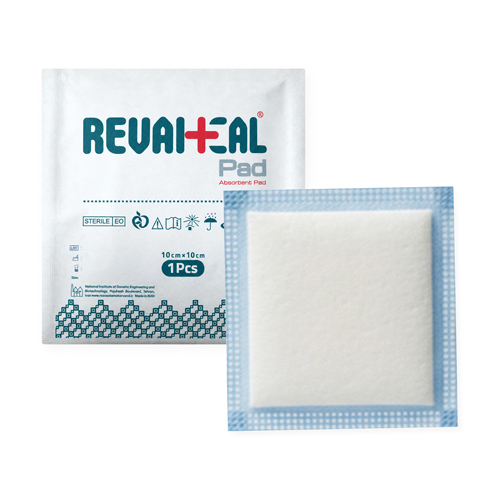
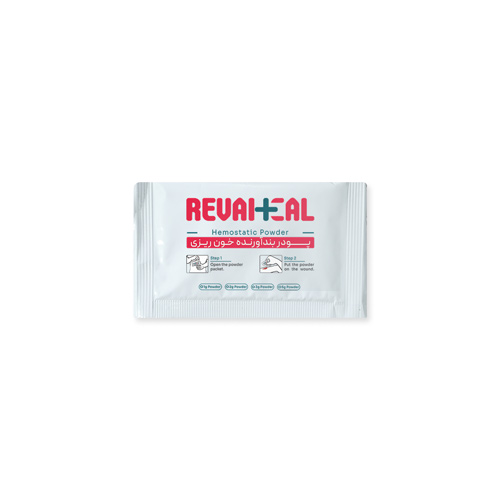
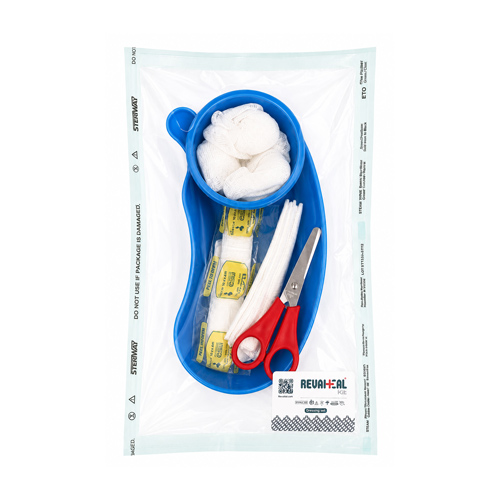
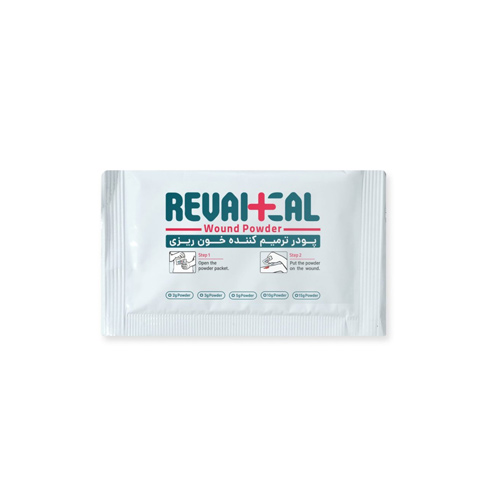
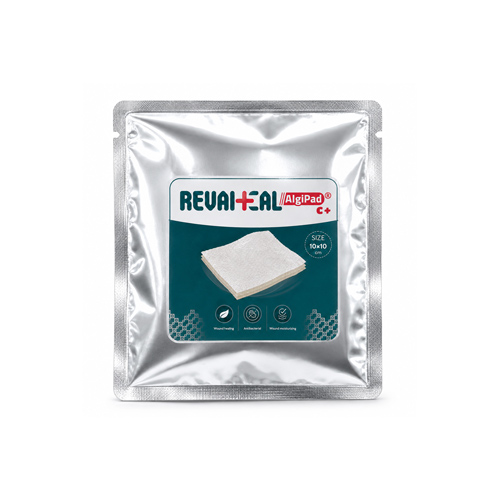
Revaheal’s wound‑healing powder, formulated with natural biopolymers and zinc oxide, plays a key role in accelerating the wound‑repair process. The powder acts as a gel‑like agent when it absorbs wound exudate or when normal saline is added as a hydrogel, thereby maintaining a moist environment that speeds up healing.
With long‑lasting antibacterial properties, the powder eradicates various microorganisms present in the wound, reducing infection rates.
Features of Revaheal Wound‑Healing Powder
- Accelerated healing – Natural biopolymers support granulation‑tissue formation, improving skin regeneration.
- Enhanced granulation and epithelialization – Zinc oxide promotes keratinocyte migration and epithelial‑tissue repair.
- Antiseptic action – Zinc oxide’s antibacterial and anti‑inflammatory effects inhibit microbial growth and dampen inflammation.
- Optimal moisture retention – The powder’s combination with exudate or normal saline preserves a moist wound environment, aiding faster recovery and pain reduction.
- Versatile for all wound types – Suitable for superficial wounds, minor burns, scratches, and chronic ulcers.
- Easy, flexible application – The powder can be applied directly to the wound or spread over a dressing to cover the wound uniformly.
- Lightweight, absorbable formulation – Ensures patient comfort and simplifies care for medical staff.
How to Use
- Clean the wound – Irrigate with Ravaheal Sept solution and remove all contaminants.
- Apply powder – Place 3 mm of the powder directly onto the wound bed.
- Gel formation – Upon contact with exudate, the powder swells into a gel, increasing in volume. Avoid filling the wound cavity entirely with the powder.
- Cover with a secondary dressing – Apply an appropriate dressing over the powder.
Indications
- Infected wounds
- Wounds with exudate
- Vascular wounds
- Diabetic ulcers
- Pressure ulcers
- Burns
- Cavitary wounds
Treatment Recommendations
- Moisture activation – After sprinkling the powder on the wound, wet it with normal saline or Ravaheal Sept solution to create the gel; a dry application is ineffective.
- Limit saline in exudative wounds – Do not add extra saline to wounds with high exudate.
- Avoid over‑filling cavitary wounds – The powder swells after absorbing saline; filling the cavity completely can hinder healing.
- Dressing duration – Once the powder is applied and a secondary dressing is fitted, it can remain on the wound for up to three days, depending on exudate and wound condition.
- Removal – After the secondary dressing is taken off, the powder separates easily from the wound bed with a wash‑out serum.