

Introduction to the Ravaheal Gel
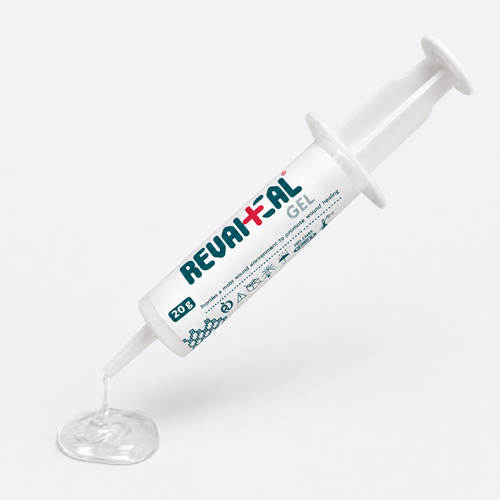
Revaheal Gel – Rasa Salamat Arvand, PHMB Wound Gel – is a hydrogel based on an effective synthetic antibacterial agent called poly‑hexanide (PHMB). When combined with betaine, it can perform an even more potent role. Regular, gentle cleansing is one of the cornerstones of modern wound bed preparation and management. By removing dead tissue, balancing the microbial load, and reducing exudate, these measures clear the barriers to healing and set the wound bed up for effective closure and recovery. Eliminating biofilms and preventing their re‑formation is a critical part of a successful wound‑bed prep.
This Revaheal product helps eliminate necrotic tissue and slough, reducing infection in the wound bed. By rapidly dispersing and consolidating the polymicrobial layer that normally blocks healing, it effectively removes the main obstacle to wound repair.
Key Features
- Immediate performance – Excellent efficacy during the first minutes of use.
- Biofilm removal – Cleanses the wound bed of biofilms.
- Moisture delivery – Provides optimal hydration to the wound.
- Micro‑organism eradication – Kills bacteria present in the wound bed.
- Pain‑free, automated debridement – Replaces painful debridement techniques.
- Odor elimination – Removes foul smells caused by wound infection.
- Accelerated healing – Speeds and simplifies wound repair.
- Scar‑reduction aid – Helps minimize scarring.
- No residue or stickiness – Leaves no harmful adherence to the wound.
- Proper viscosity – Maintains cohesion to prevent sloughing off during use.
How to Use
-
Initial cleansing
- Wash the wound and surrounding skin with a cleansing solution to loosen debris and disinfect the area.
- Although a normal saline solution can be used, it is recommended to apply a sterile gauze soaked in the cleansing solution for 15 minutes (or as per the center’s protocol) to maximize cleaning efficacy.
2. Application of the gel
- Apply the Revaheal Gel directly onto the wound, fill wound cavities, or pre‑moisten a dressing with the gel.
- Aim for a complete, uniform coverage of the wound surface.
- If the wound or surrounding skin becomes excessively moist, reassess the amount used.
- For deep, tunnel‑type, or cavity wounds, a thicker gel layer is advised; for superficial wounds, the gel’s standard thickness is preferable.
3. Secondary dressing
- Place a secondary dressing over the gel.
- Choice of dressing depends on wound type, location, exudate amount, and dressing‑change frequency.
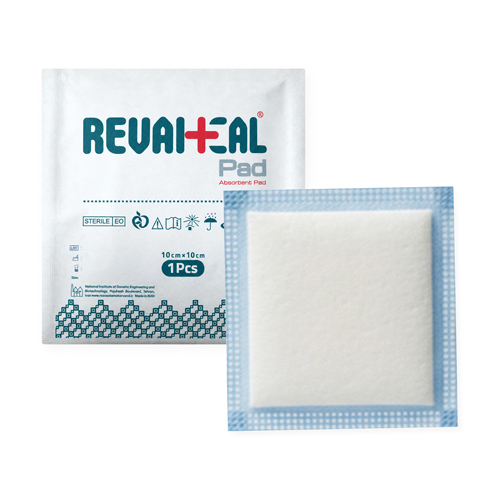
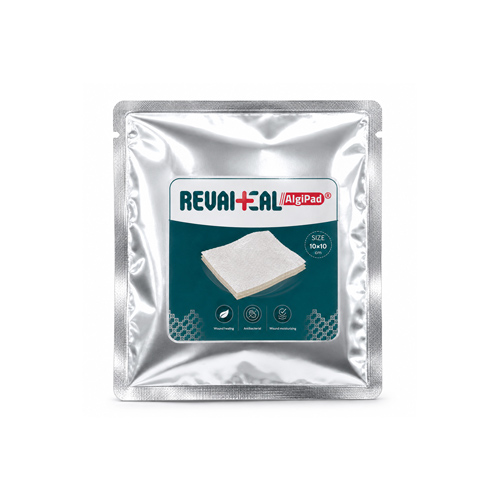
- The gel is compatible with all secondary dressings—non‑adhesive gauzes, fibrous absorptive dressings, foams, and adhesive dressings.
- When using absorptive dressings, more gel may be required to keep the wound moist, as the dressing absorbs part of the gel.
- The product is also suitable under pressure‑bandage systems.
Clinical Recommendations
- Primary indication – Debridement of necrotic tissue; not ideal for highly exudative wounds.
- Use with caution – Antibiotic‑laden wound therapies should be applied judiciously. If a wound shows no change after 14 days, re‑evaluate the treatment plan.
Suitable for:
- Wounds with necrotic tissue and slough
- Dry wounds
- Wounds with low exudate
- Vascular wounds
- Diabetic ulcers
- Pressure ulcers
- Burns (grades I–III)
- Surgical and traumatic wounds
Revaheal Gel Components
PHMB (Polyhexamethylene biguanide)
PHMB is a synthetic compound that has been used for over 60 years in various formats (contact‑lens solutions, mouthwashes, and, more recently, wound‑care products) to reduce surface microbial load. It demonstrates a favorable clinical safety profile with no evidence of significant resistance or toxicity. PHMB’s structure resembles natural antimicrobial peptides (AMPs); these peptides are produced by living organisms and exhibit broad antibacterial, antiviral, and antifungal activity. PHMB acts by disrupting the lipopolysaccharide layer of bacterial cell walls, leading to rapid bacterial death, which makes the emergence of resistance unlikely.
Betain
Betain is an amphoteric, alkaloid surfactant with a very mild action, making it suitable for dermatologic use. At the molecular level, betain has a hydrophilic “head” that attracts water and a hydrophobic “tail” that repels water. The hydrophilic head stays in the solution while the hydrophobic tail removes dirt and surface debris from the wound, keeping them suspended in the rinse fluid for easy removal.