

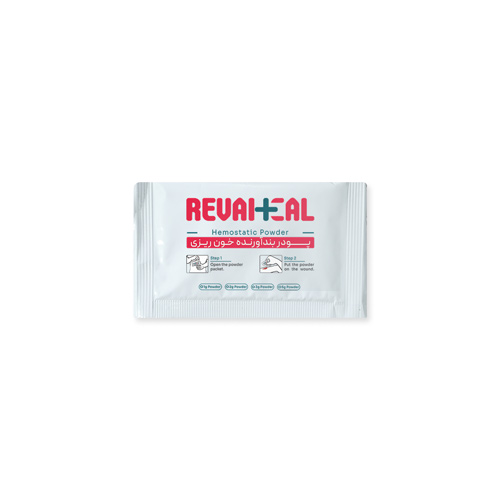
Ravaheal Hemostatic Powder – Rapid‑Stop Bleeding for Emergency and Surgical Settings
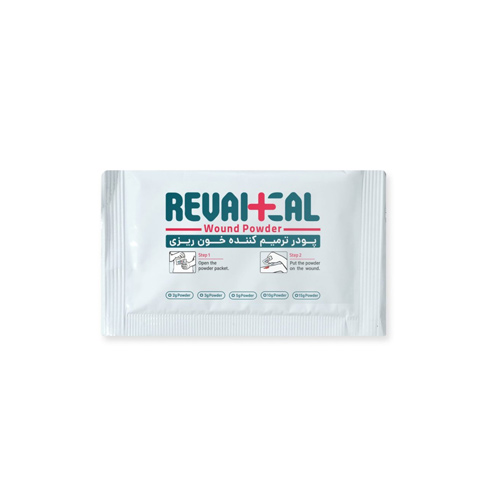
Revaheal’s hemostatic powder is engineered to quickly arrest life‑threatening bleeding in traumatic wounds, lacerations, and punctures. It works effectively when conventional methods such as direct pressure or bandaging are inadequate. The product is also employed intra‑operatively as an adjunct to control local bleeding and is suited for military, disaster‑relief, and pre‑hospital environments where stopping hemorrhage swiftly is critical. The powder rapidly seals the wound and protects healthy tissue.
Suitable for:
- Battlefield injuries
- Various lacerations and traumas
- Emergency situations
- Wound hemorrhage
- Surgical wounds
- Puncture wounds
- Disaster‑relief and pre‑hospital care
Clinical Recommendations
- Rapid application: Apply the powder immediately after bleeding starts for maximum efficacy.
- Pressure assistance: For severe hemorrhage, combine powder with direct pressure for a quicker seal.
- Proper quantity: Use only the amount needed—excess can dry out or overly wet the wound.
- Wound monitoring: After bleeding control, inspect the wound and cover with an appropriate dressing if necessary.
- Post‑use care: The powder is intended for initial hemorrhage control; continued medical care is required thereafter.
- Avoid internal use: Do not use directly for internal or cavity bleeding unless under a physician’s direction.
- Watch for allergies: Stop use and seek medical help if an allergic reaction occurs.
How to Use Revaheal Hemostatic Powder
-
Wound preparation
- If possible, remove excess blood and superficial contaminants.
- Powder application
Sprinkle enough powder directly onto the bleeding site until the wound is completely covered. - Apply direct pressure
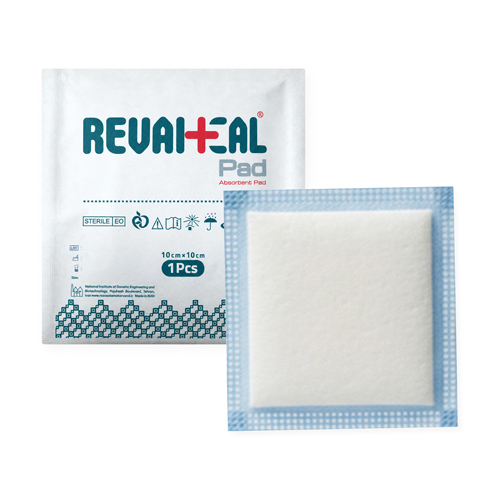
For heavy bleeding, press the wound with a sterile pad or hand to expedite cessation. - Cover the wound
Once bleeding stops, dress the wound with a suitable sterile dressing to prevent contamination. - Monitor and replace dressings
Check the wound and dressing regularly; replace the product and dressing if needed. - Seek medical follow‑up
After hemostasis, the patient must receive ongoing medical assessment to complete treatment.
Contraindications
- Allergy or hypersensitivity to any component of the product.
- Internal bleeding or bleeding within body cavities where the wound is not directly accessible.
- Injury involving major vessels or the brain without medical supervision.
- Severe coagulopathy without a physician’s guidance.